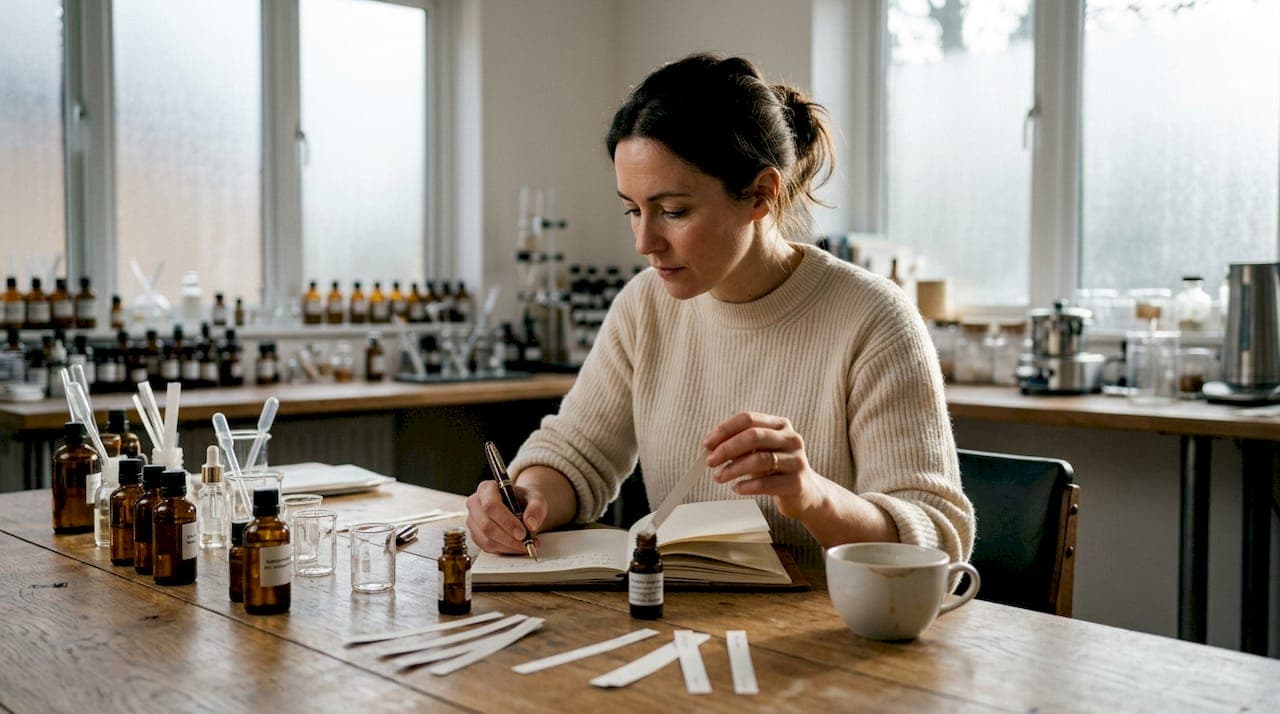
The bottle on your dressing table bears a famous name, but the scent inside almost certainly wasn't born there. Behind every iconic luxury perfume lies a network of creative specialists working quietly to shape what you smell, how you feel, and what you remember. Fragrance houses are the unseen architects of the perfume world, and understanding their role changes everything about how you shop, collect, and appreciate fine scent. This guide breaks down exactly what fragrance houses do, how they differ from manufacturers, and why their influence defines the luxury market.
Table of Contents
- What are fragrance houses and why do they matter?
- Fragrance houses vs manufacturers: Who creates what?
- How fragrance houses drive luxury and exclusivity
- Innovation and artistry: Inside independent and niche fragrance houses
- Emerging trends reshaping fragrance houses in 2026
- Explore the world of fragrance at Amoureé Parfums
- Frequently asked questions
Key Takeaways
| Point | Details |
|---|---|
| Houses shape perfume identity | Fragrance houses create the narrative, emotion, and branding behind every luxury scent. |
| Manufacturers supply ingredients | Technical formulas and scent blends are crafted by specialised manufacturers, not luxury houses. |
| Niche brands drive innovation | Independent fragrance houses lead with rare ingredients, sustainability, and bold creativity. |
| Trends influence house offerings | Modern houses innovate with gender-neutral, clean-label, and eco-friendly blends. |
What are fragrance houses and why do they matter?
A fragrance house is a company that develops, curates, and markets perfumes, either under its own name or on behalf of designers, celebrities, and lifestyle brands. Think of houses like Chanel, Guerlain, or Maison Margiela: they are the creative directors of scent, responsible for the story, the bottle, the campaign, and the emotional experience. Their work goes far beyond blending ingredients.
Understanding the role of the perfumer within a house reveals just how layered this process is. A perfumer, sometimes called a "nose," translates a creative brief into an olfactory experience, working within the house's established identity and values. This is artistry, not chemistry alone.
Fragrance houses are distinct from manufacturers. Companies like Givaudan, Firmenich, and IFF supply formulas and ingredients to houses, designers, and celebrities on a business-to-business basis. They operate largely invisibly, providing the technical backbone. Fragrance houses, by contrast, are the consumer-facing creative force.
Here is what a fragrance house typically does:
- Develops original scent concepts and briefs
- Collaborates with or employs master perfumers
- Manages brand identity, packaging, and storytelling
- Positions scents within the luxury or niche market
- Builds long-term consumer relationships through heritage and exclusivity
"Luxury perfumes rely on a complex supply chain led by expert fragrance houses, with manufacturers supplying the technical formulas that houses then shape into cultural and emotional experiences."
This distinction matters enormously when you are choosing a fragrance. The house behind the label is often the truest indicator of quality, creativity, and longevity.
Fragrance houses vs manufacturers: Who creates what?
The confusion between fragrance houses and manufacturers is understandable. Both are essential, but they operate in entirely different worlds. Manufacturers like Givaudan work business-to-business, supplying scent formulas and raw materials. Fragrance houses take those materials and build something culturally resonant from them.
The table below summarises the key differences:
| Feature | Fragrance house | Manufacturer |
|---|---|---|
| Consumer-facing | Yes | Rarely |
| Creates brand story | Yes | No |
| Supplies raw ingredients | No | Yes |
| Employs master perfumers | Often | Yes |
| Sells direct to public | Yes | No |
| Examples | Chanel, Guerlain, Le Labo | Givaudan, IFF, Firmenich |
There are notable edge cases worth knowing. Many niche houses have been acquired by large conglomerates: Estée Lauder now owns Le Labo and By Kilian, for instance. Celebrity perfumes frequently repackage existing manufacturer blends with little original creative input. When shopping for luxury perfume, knowing this helps you distinguish genuine artistry from clever marketing.
Pro Tip: True niche perfumes are far more likely to offer a genuinely unique olfactory experience than most mainstream celebrity-branded fragrances, which often use off-the-shelf formulas with a famous face attached.
The most important takeaway here is that the name on the bottle does not always tell you who created the scent. The house behind it, and the manufacturer supplying it, are often the real story.
How fragrance houses drive luxury and exclusivity
Luxury is not just about price. It is about perception, heritage, and emotional resonance. Fragrance houses understand this better than almost any other sector in fashion and beauty. They build what insiders call "brand DNA," a consistent olfactory and aesthetic identity that makes a house instantly recognisable.
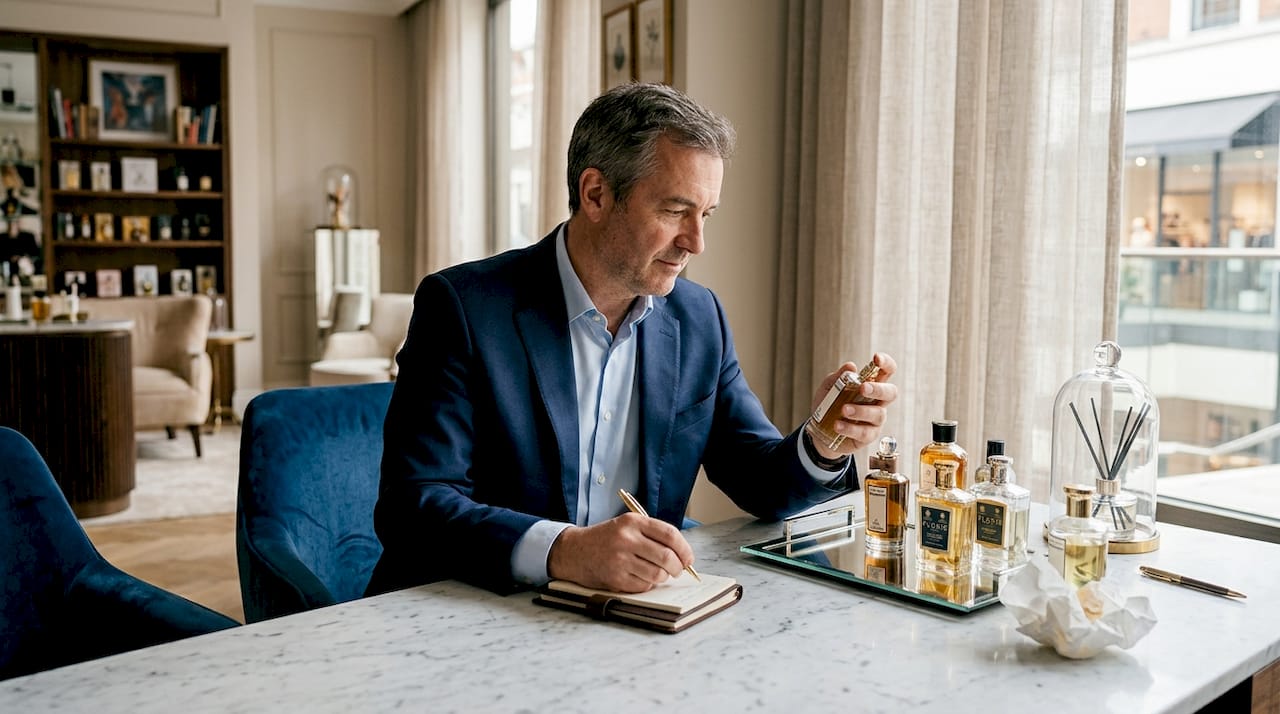
Guerlain's powdery florals, Creed's aquatic masculines, and Byredo's spare, conceptual minimalism are all examples of distinct brand DNA in action. Each house has cultivated its identity over years, sometimes decades, of deliberate creative choices. That consistency is what commands premium prices and fierce loyalty.
The process of building a luxury fragrance from brief to bottle typically follows these steps:
- The brand develops a creative brief, often tied to a story, season, or cultural moment
- The brief is shared with a master perfumer, either in-house or commissioned
- Multiple scent trials are evaluated against the brief and brand identity
- Packaging, naming, and campaign concepts are developed in parallel
- The final formula is refined and approved for production
- The fragrance is launched with a narrative designed to build emotional connection
Understanding fragrance notes and story is essential to appreciating how deliberate this process is. Every top, heart, and base note is chosen to support the narrative the house wants to tell.
The niche fragrance market has grown significantly as consumers seek uniqueness in a market flooded with mass-produced scents. Niche growth reflects demand for individuality amid widespread commoditisation, with consumers willing to pay more for something that feels genuinely personal. Tips on identifying premium scents can help you navigate this landscape confidently. You can also explore a curated selection of prestigious fragrance brands to see this heritage in action.
Innovation and artistry: Inside independent and niche fragrance houses
Independent fragrance houses are where the most exciting creative work happens. Freed from the commercial pressures of mass-market appeal, they can take risks with unusual ingredients, unconventional structures, and bold storytelling. This is where the industry's future is often written first.
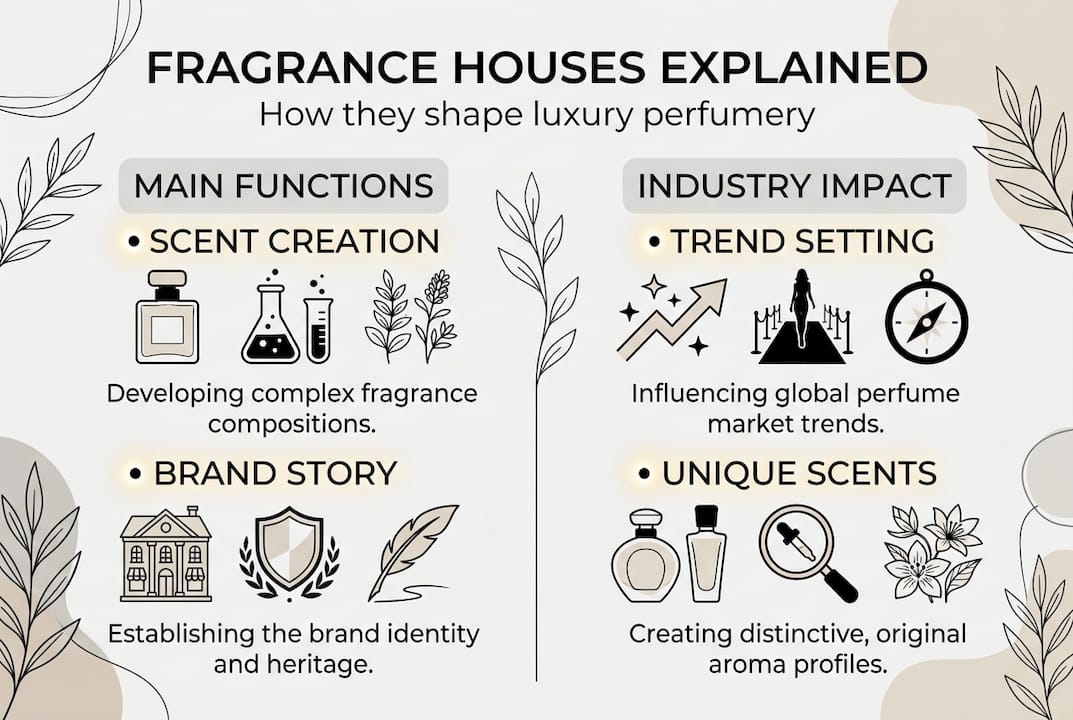
One of the most fascinating tools in the independent perfumer's arsenal is the use of captives, proprietary molecules developed exclusively by a house or manufacturer. These molecules cannot be replicated by competitors, giving a fragrance a genuinely unique character. True differentiation in niche perfumery also comes from ingredient maturation and sustainability-focused sourcing, areas where mainstream luxury giants often struggle to compete.
The contrast between independent and mainstream houses is stark:
| Feature | Independent/niche house | Mainstream luxury house |
|---|---|---|
| Creative freedom | Very high | Moderate |
| Sustainability focus | Often pioneering | Improving but slower |
| Use of captive molecules | Common | Occasional |
| Scale of production | Small to medium | Large |
| Price point | Premium to ultra-premium | Mid to premium |
| Consumer exclusivity | High | Variable |
Defining characteristics of leading independent fragrance houses include:
- Use of rare or unusual raw materials, such as oud, ambergris, or iris root
- Small-batch production that prioritises quality over volume
- Transparent ingredient sourcing and eco-conscious practices
- Collaborations with avant-garde artists and designers
- Resistance to trend-chasing in favour of long-term creative vision
If you are drawn to bold, distinctive scents, exploring niche woody perfumes is an excellent starting point. You can also discover unique fragrances that reflect this independent spirit without the boutique price tag.
Emerging trends reshaping fragrance houses in 2026
The fragrance industry is evolving rapidly, and the houses leading the charge are those willing to rethink everything from ingredients to identity. Several trends are defining how fragrance houses operate and what they offer consumers right now.
Gender-neutral scents have moved from niche curiosity to mainstream expectation. Houses that once segmented their catalogues rigidly by gender are now creating scents designed to be worn by anyone. This shift reflects broader cultural changes and a growing consumer desire for self-expression over convention.
Sustainability is no longer optional. Eco-compliance drives innovation as houses blend natural and synthetic ingredients to meet tightening regulations while maintaining the performance and longevity consumers expect. Hybrid molecules, which combine the best properties of naturals and synthetics, are becoming a signature of the most progressive houses.
The top four trends shaping fragrance house offerings in 2026 are:
- Gender-neutral formulations that prioritise personal expression over traditional categories
- Clean-label transparency with full ingredient disclosure and ethical sourcing commitments
- Biotech and hybrid ingredients that deliver performance with a reduced environmental footprint
- Hyper-personalisation through bespoke consultations and limited-edition releases
Pro Tip: When evaluating a fragrance house's credentials, look for clean-label certifications and hybrid ingredient lists. These are the clearest signals that a house is genuinely progressive rather than simply trend-chasing.
Understanding seasonal perfume trends helps you align your collection with these evolving house strategies. The intersection of perfume and fashion trends is also worth exploring as houses increasingly position their scents as wardrobe essentials rather than occasional luxuries.
Explore the world of fragrance at Amoureé Parfums
Understanding fragrance houses transforms the way you choose a scent. You move from buying a name to buying a story, a craft, and a creative vision. That knowledge deserves a shopping experience to match.
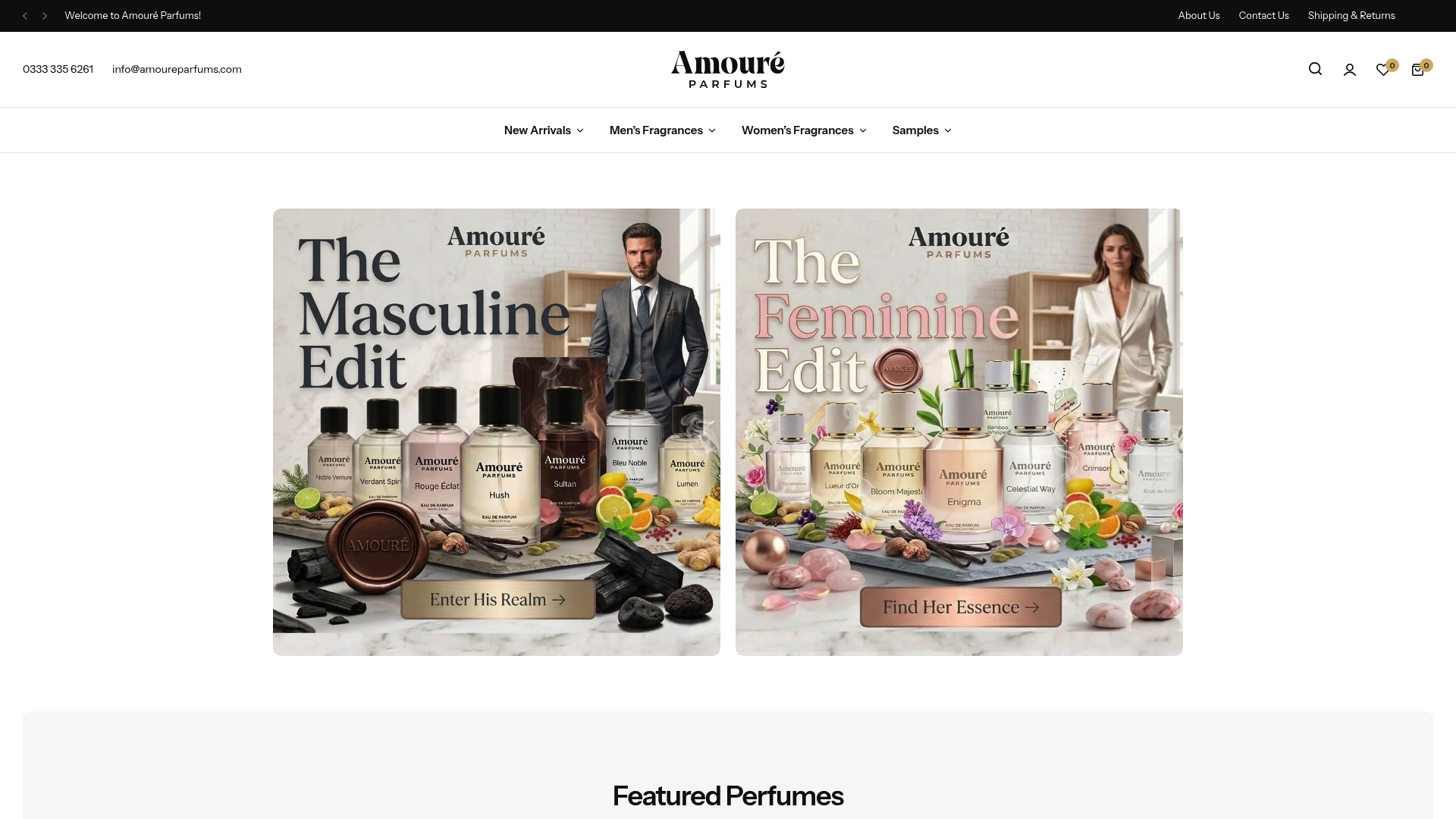
At Amoureé Parfums, we curate a collection of premium fragrances that reflect the artistry and heritage you have just read about. Whether you are drawn to the bold creativity of independent houses or the timeless elegance of established names, our range is selected to offer genuine quality at accessible prices. With 24/7 customer support, competitive shipping, and detailed scent notes for every fragrance, finding your signature scent has never been more straightforward. Browse our collection and let the story begin.
Frequently asked questions
What is the main responsibility of a fragrance house?
A fragrance house develops, curates, and markets perfumes for brands, focusing on creativity, storytelling, and the overall consumer experience rather than technical ingredient supply.
How do fragrance houses differ from manufacturers?
Fragrance houses manage branding and consumer-facing narratives, while manufacturers like Givaudan supply technical formulas and raw ingredients on a business-to-business basis.
What are current trends transforming fragrance houses?
The most significant trends include gender-neutral formulations, clean-label certifications, and innovative eco-friendly ingredient blends that combine naturals and synthetics for better performance and compliance.
Are niche fragrance houses truly independent?
Not always. Many niche houses have been acquired by large conglomerates, though they often retain their creative identity and continue to offer more innovative scents than most mainstream brands.
How can I identify a quality luxury fragrance?
Look for houses with well-established heritage, transparent ingredient sourcing, and distinctive scent profiles that reflect genuine creative vision rather than trend-led mass production.